Fun Fact Friday

We’re all quite familiar with colonialism and how it worked (I hope): imperialist nation sees some land it likes, basically says “give me it” to the people already living there and proceeds to treat it as an extension of itself. More or less.
But what would happen if, say, a group of private citizens tried to do the same thing? Would they get away with it?
Well, in the 1800s, an American man named William Walker tried to answer this question.
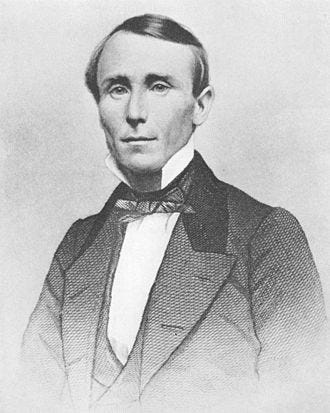
Born in Nashville, Tennessee , Walker later qualified as a physician, lawyer and journalist after graduating from university at the age of 14. 14!
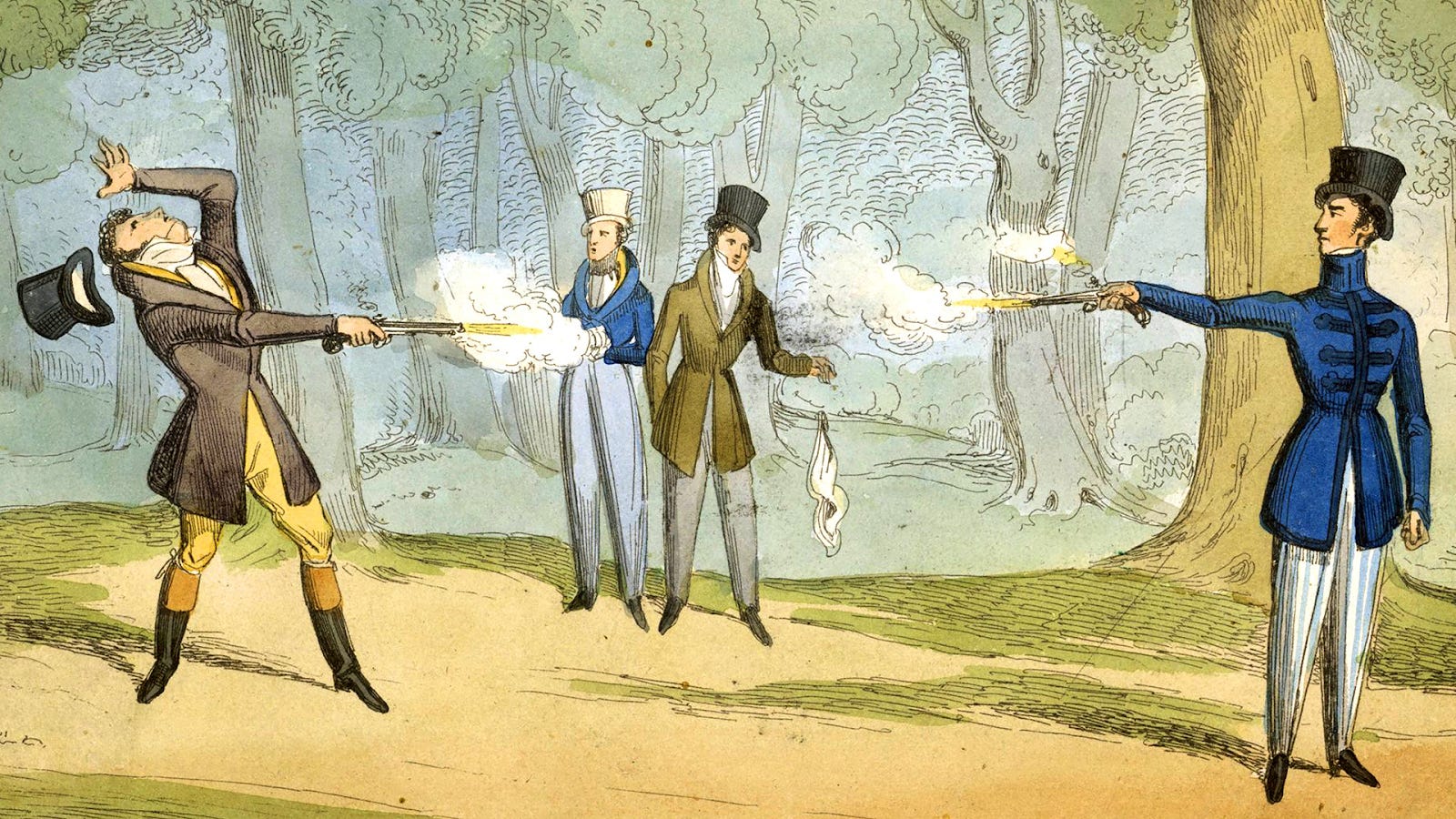
With these precocious talents, you’d think he would find something better to do with his time. But alas, Walker was a bit of a hothead. Walker gained national fame in 1851 after he challenged a law clerk who wrote an article he, Walker, didn’t like to a duel.
By “duel”, I don’t mean a Cassper Nyovest-Slik Talk type of “fight”. Duels were those things you see in old Western movies where two dudes would face off, take a few steps with backs turned to each other and then after a count, quickly turn around and shoot. The winner, I guess, was the guy who…survived?
Walker suffered two shots to his leg and thigh but was unable to land a single shot and his adversary was left unscathed. He’d lost, but his injuries weren’t fatal. And if anything, his reputation was bolstered as the crazy guy who could take a hit and just keep…walking.
Anyway, it could have been his new found fame that led to what happened in the next few years. In nearby Nicaragua, civil war broke out between the Conservatives and Liberals. The Liberals requested help, but since the USA had signed a neutrality agreement, the job was handed to private citizens: Walker and a bunch of goons.
In 1856, Walker helped win the war. He also helped himself to the Presidency of Nicaragua. He used his position to make English the official language of the cowntry and to re-legalize slavery.
Unsurprisingly, his reign didn’t last long: he was driven out of office by a coalition of other central American states in 1857. But he did receive a hero’s welcome when he returned to the States. Go figure. William Walker died a few years later trying to do exactly the same thing in Honduras.
The moral here is possibly that extreme intelligence coupled with extreme recklessness is a recipe for not good things.
Oh, another fun fact: William Walker’s activities of occupying nations and establishing slave colonies was called filibustering. This term came from the Spanish word, filibustero, which means “pirate.” Today, the filibuster (and the guy pictured below) is one of the main reasons very few pieces of legislation get passed in the United States.

Have a great weekend!